Dustin Segura

About

Dustin Segura

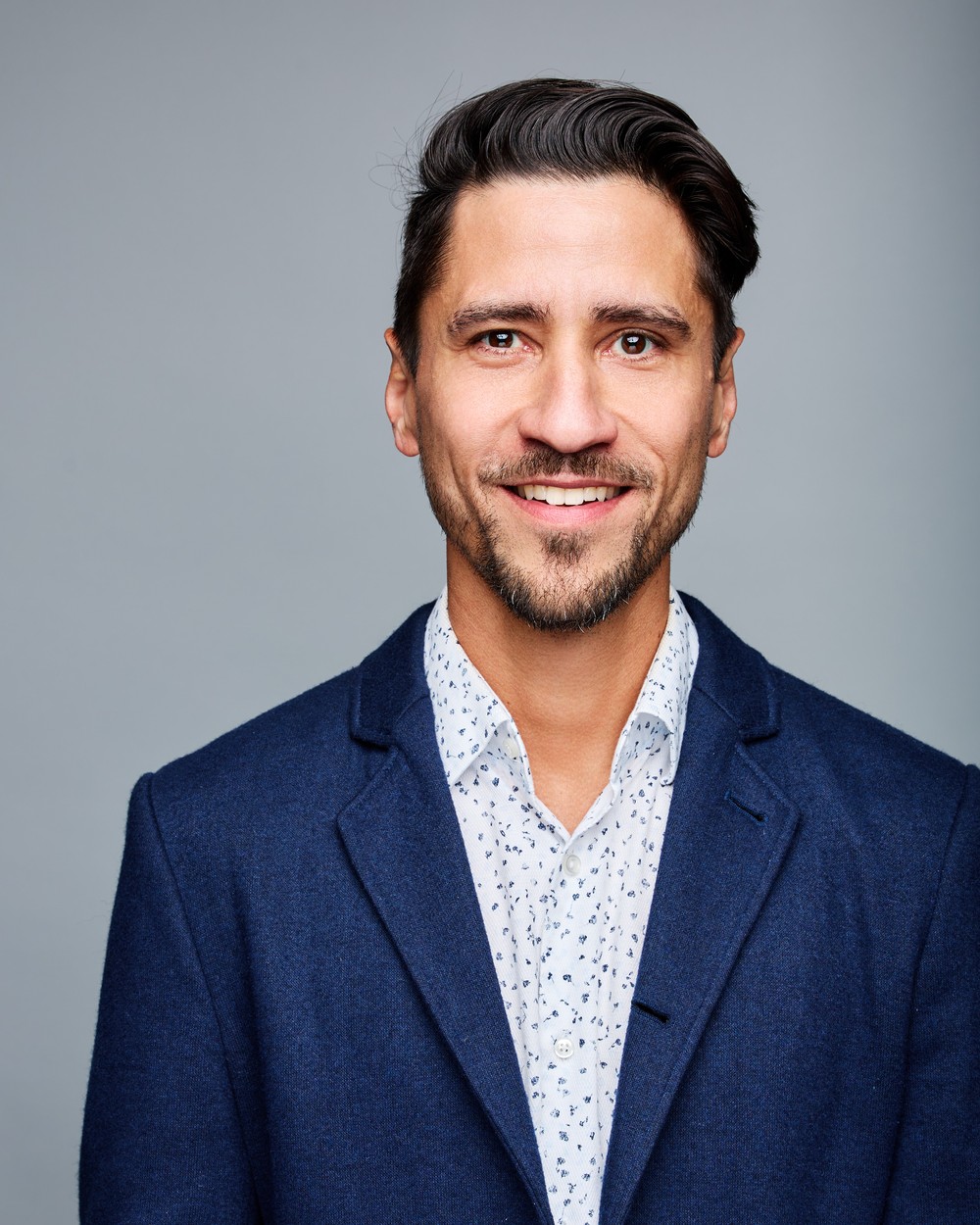
The Philosopher's Path took shape over four decades, named for a walking path in Kyoto, Japan, built to align mind and body and hold movement and stillness together. The first building block was probably a college psychology degree, followed by two decades leading teams, partners, and products in health IT, work that also made him a patient more than once.

What actually moved it forward was physical touch: helping athletes train for races like the Cocodona 250, a family finding its way through a transition, a partner just wanting a foot rub. Turning that instinct into a real practice meant going back for the licenses and the certifications to build something intentional.

He's lived the other side of it too: training and getting injured, moving through years of major loss, and managing his own mental health the whole way. He's proof that massage, breathwork, and endurance training work, whether what you're after is a finish line or something closer to peace. Thank you to Yuki Tojo for the hands, Lexy Rose and the Recovery team for the breath, and Rob, Tori, Yoshi, and the whole Traverse crew for the miles.

  • Bodywork Licensed Massage Therapist
  • Endurance UESCA Certified Ultrarunning Coach
  • Breathwork IBF Certified Breathwork Coach

Why Touch

The case for touch & breath

It's often mistaken for a pampering treatment with a luxury price tag. In reality, it draws on real physiology and anatomy, delivered in an empathetic, safe space, to create genuine change in both body and mind.

Immediate

Oxytocin, immediately

Physical touch triggers the release of oxytocin within seconds, along with a drop in cortisol and heart rate. The nervous system reads touch as a signal of safety faster than any conversation can provide. Most adults go through entire weeks without real physical contact. That's a real cost, whether or not it's ever named as one.

Read the research
Mechanical

Tissue actually changes

Manual therapy is mechanical work on the body, not just relaxation. Hands-on pressure stretches and mobilizes fascia that's grown stiff or restricted, moves lymph fluid through a system with no pump of its own, and increases local blood flow, bringing fresh oxygen to tissue that's been under load. This is measurable, physical change, separate from how good a session feels.

Read the research
Regulating

Sympathetic to parasympathetic

Massage measurably shifts the body out of sympathetic activation and into parasympathetic rest. Research links it to lower cortisol and higher serotonin and dopamine. It's one of the most direct ways to quiet a racing mind and land back in the body. Paired with breathwork, that shift goes further: breath is the fastest lever the nervous system has, and combining it with bodywork gives the shift somewhere to go.

Read the research

Philosophy

Why three modalities, in sequence

Repetitive strain, sustained stress, and long hours leaning on the sympathetic nervous system show up whether that load comes from athletic training, a demanding job, caregiving, a health condition, pregnancy, or an ongoing stretch of life. Every Path starts from a different point in that same system, and each session is shaped around where you're actually at.

"

Sensory Motor Amnesia

Repetitive strain, chronic stress, and physical guarding all dull the nervous system's ability to sense and control tissue. That load can come from training, from long hours at a desk, from caregiving, from anxiety, or simply from a body protecting an area that's been through something. Bodywork isn't just release; it's restoring an accurate map between brain and muscle.

"

Autonomic Nervous System Regulation

Training, work, caretaking, grief, a health diagnosis, pregnancy, whatever the source, sustained stress keeps the nervous system leaning sympathetic. Breathwork is the most direct, trainable lever back toward parasympathetic: exactly the state recovery, adaptation, and clear thinking all depend on.

"

Altitude Adaptation

Living, working, and training at altitude asks more of breath mechanics and recovery capacity than most programming accounts for. Sessions here are built with that reality in mind from the start.

"

The Breath, Tissue, and Movement Relationship

Breath patterns shape tissue tension; tissue tension shapes movement quality; movement quality shapes capacity, in daily life or on the trail. Working on all three in one sequence addresses the whole loop.

How It's Built

Paths, Rituals, and Modalities

Paths are made up of Rituals. Rituals are made up of modalities. Here's how the pieces fit.

The Structure

What a Path is

The starting frame for a session. Path to Performance, Path to Regulation, and The Philosopher's Path all pull from bodywork, breathwork, and endurance work. What changes is which one leads first, based on what's actually going on.

The Sequence

What a Ritual is

The specific sequence within a Path, like Recover or Ground. Same 120 minutes, same three building blocks, reordered based on whether the body needs to recover, build, or perform that day.

The Exception

What Signature is

The Philosopher's Path skips the preset Ritual menu entirely. Every session is built in real time from bodywork, breathwork, and endurance work, in whatever order the body calls for that day. One flat rate.

Start with a consultation

Every new client begins with a conversation and assessment before stepping onto a Ritual, so the sequence fits the person.

Book a Consultation